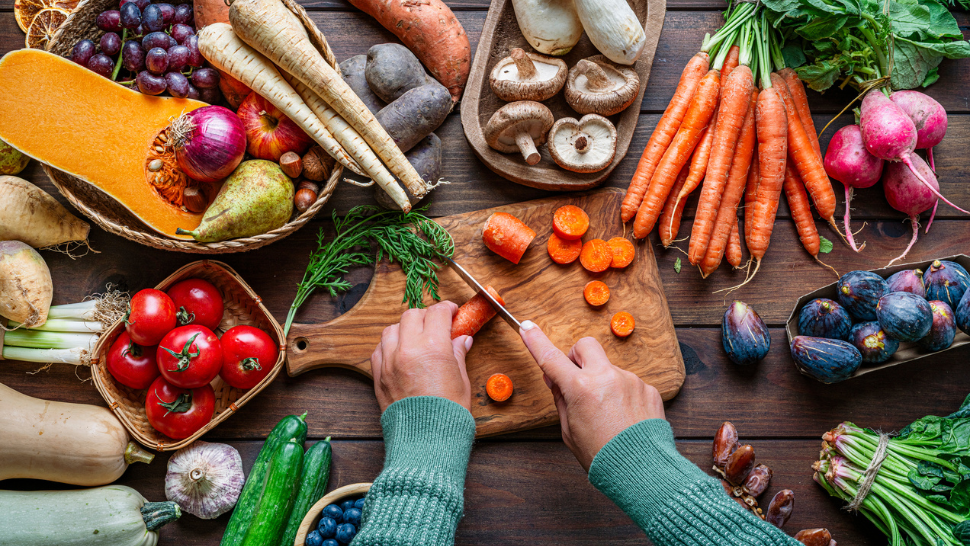
When it comes to saving the planet, you don’t need a cape, just a fork. Your plate has more power than you think. Each bite you take is an opportunity to make ethical, eco-friendly decisions that shrink your environmental “foodprint.” While composting and carrying a reusable straw are noble pursuits, the greatest green gains may come from rethinking how and what we eat.
- Choose whole over hype. Plant-based “meats” and dairy-free “cheeses” are booming in popularity, but not all alternative proteins are created equal. Some are high in sodium or additives. Instead of stocking up on these foods, focus on whole-food plant proteins like lentils, chickpeas, tofu, tempeh, quinoa, and nuts.
They’re not just better for the planet, they’re also packed with nutrients that support your health. Think of it as edible ethics: choosing foods that nourish both you and the planet. - Plant-powered impact. Want to help the planet? Eat more plants. It’s that simple. Shifting toward a more plant-centric diet can significantly reduce greenhouse gas emissions, land use, and water consumption. According to the Food and Agriculture Organization, livestock production accounts for nearly 15% of human-induced greenhouse gases.
The good news? You don’t have to swear off burgers forever. Try blending beef with mushrooms, lentils, or grains for a tasty, lower-impact patty. These combos reduce emissions, add fiber, and pack a delicious umami punch. - Know your moo-ves.Milk may do the body good, but it doesn’t always do the earth good. Dairy production, like meat, comes with a sizable carbon cost. Fortunately, plant-based alternatives like oat, soy, almond, and hemp milks are widely available (and no cow required).
Just a heads up, not all dairy doppelgängers are nutritionally equal. Look for options fortified with calcium and vitamin D and consider protein content if you’re using them as a major source of nutrition. - Naturally imperfect (and delicious). Odd, misshapen produce has been having a moment, and thank goodness. Fruits and vegetables are often discarded simply because they don’t meet cosmetic standards. But a wonky carrot or lopsided apple still packs all the nutrition and flavor of their pageant-ready peers.
By embracing imperfect produce, you’re helping reduce food waste at the farm level and supporting a more resilient food system. Bonus: many “ugly” fruits and veggies are sold at a discount. - Waste not, want flavor. Your freezer is a powerful food waste warrior. Use it to store surplus herbs, chopped veggies, and leftovers in limbo. Better yet, channel your inner chef and get creative with scraps. Carrot tops? Pesto. Broccoli stems? Slaw. Overripe bananas? Smoothie gold.
Cooking “root to stem” not only reduces waste but adds new textures, flavors, and nutrients to your meals. Sustainability never tasted so satisfying. - Meat less often. If Meatless Monday feels like a sacrifice, try thinking about meat as an accompaniment on your plate. Reducing beef consumption, even by just one meal per week, can make a meaningful difference. In fact, if every American went meatless just once a week, it would be like taking 19.2 million cars off the road annually.
When you do eat meat, prioritize sustainably sourced poultry, seafood, pork, and local options over industrially farmed beef. Or, fire up the grill for vegetable-forward favorites like marinated portobello “steaks” and carrot dogs (trust us—they’re a thing). - A little planning goes a long way. Especially when it comes to minimizing waste and maximizing your impact. Take inventory before shopping, prep meals with overlapping ingredients, and repurpose leftovers. Tonight’s roasted vegetables can become tomorrow’s wrap or grain bowl.
And let’s not forget the social side of sustainability. Host a zero-waste potluck where everyone brings a dish made from ingredients they already have. It’s a win-win: community-building and crisper-clearing all in one. - Be a homebody (sometimes). Cooking at home is a stealthy act of sustainability. When you prepare your own meals, you control the ingredients, reduce packaging waste, and likely consume fewer processed foods. It also means more opportunities to experiment with sustainable practices like batch cooking, meal planning, and getting creative with leftovers.
Plus, science says it’s good for your health and your wallet. - Garden (orwindowbox) your way to goodness.Growing your own food is the ultimate local eating. Whether you’ve got a backyard or just a sunny windowsill, gardening connects you with your food’s origins, reduces packaging, and encourages seasonal eating. Plus, it’s good for mental health, too.
Start small with herbs or leafy greens, or join a community garden if space is tight. You’ll be harvesting sustainably, literally.
Edible ethics isn’t about perfection, it’s about progress. Every time you choose a plant-rich plate, support local farmers, reduce food waste, or opt for whole over processed, you’re helping create a more sustainable food system. And the best part? It’s delicious work.