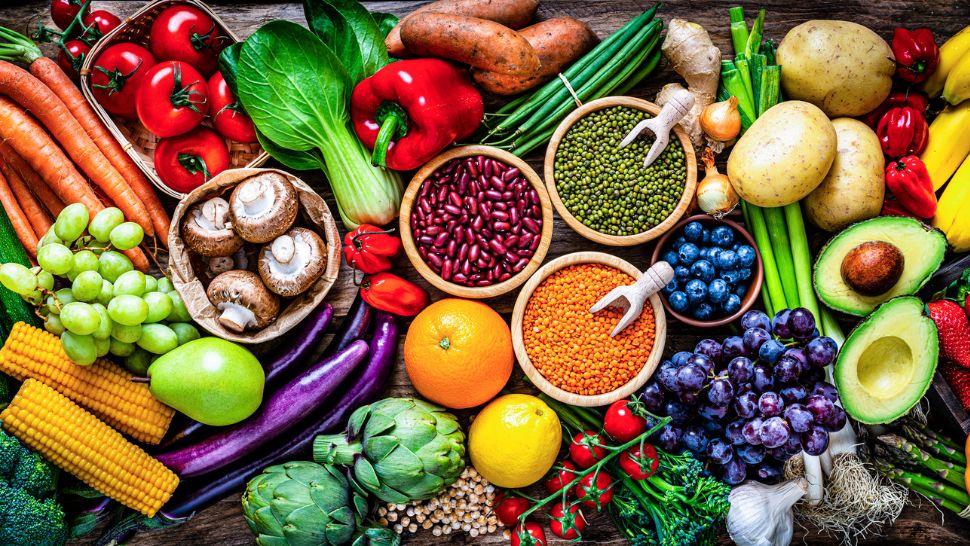
From colorful vegetable bowls to layered smoothies, “eating the rainbow” has never been more on trend. Beyond creating a social media-worthy dish, colorful plates are aesthetically pleasing, which can make the eating experience more enjoyable. But the real benefit lies in all of the nutrients you get from painting your plate with an array of colorful produce.
So, if we know that coloring our plates is good, the question remains: Is one color better than another?
The short answer is no. The pigment of various fruits and vegetables actually come from the presence of plant chemicals known as phytonutrients and can indicate a lot about the food’s health benefits. Because no one color or single food group contains all the necessary nutrients needed for human life, consuming a variety of different colored whole foods is the best way to make sure you get everything you need. Yes, that means that even foods deemed to be a “superfood” — like kale or blueberries — are not enough on their own. We recommend aiming for at least three different colors of produce on your plate at each meal (breakfast counts, too!).
Red
The vibrant reds and pinks of tomatoes, grapefruit, watermelon, red bell peppers, and other foods are produced by a carotenoid (a plant pigment) called lycopene. Lycopene is a powerful antioxidant that has been shown to support heart health and may reduce the risk of certain cancers. Red foods also provide vitamin C which helps support your immune system and can improve iron absorption.
Orange/Yellow
Beta-carotene, the pigment that gives foods like carrots, oranges, cantaloupe, and sweet potatoes their bright orange color, is converted to vitamin A in the body. Vitamin A is found in many foods and is essential for vision and immune function and it also plays a role in cellular growth and repair.
Green
It’s no secret that greens are nutrient-packed, and we can thank antioxidants such as lutein and zeaxanthin for giving dark leafy greens their powerful health benefits. These antioxidants found in foods like spinach, kale, and collard greens may help protect against age-related eye diseases. Increasing your consumption of cruciferous vegetables such as Brussels sprouts, broccoli, and cabbage have been shown to promote cardiovascular health and overall longevity. A good general rule of thumb is the deeper the green, the more nutrient dense.
Blue/Purple
Blue and purple foods typically contain anthocyanins, which are powerful antioxidants known for their ability to reduce inflammation and fight oxidative stress in the body. These foods also help support brain health and cognitive function. Although fruits probably come to mind first, you also have colored vegetables and grains such as purple corn, red rice, black rice, purple carrots, and blue potatoes. Don’t shy away from adding these bold colors to your plate!
White
White foods like mushrooms, potatoes, parsnips, brown Bosc pears, and whole grains may not be as colorful as their vibrant counterparts, but they still pack in plenty of vitamins, minerals, and antioxidants. These foods can help support your digestive health and may also reduce the risk of chronic diseases. So don’t hate on beige foods, remember, you can dress them up as much as you like!
Beyond the aesthetic appeal of colorful plates, eating a variety of colorful foods ensures that you’re getting a wide range of nutrients that are essential for your health. Phytonutrients found in red, orange, yellow, green, blue/purple, and white foods offer unique health benefits and have synergistic effects, meaning that the nutrients work together to have a compounding effect. So, whether you’re making a salad, smoothie, or stir-fry, the more colors you add, the more nourishing it will be for your body. And don’t forget, variety is a good thing, and eating seasonally is an easy way to introduce colorful foods onto your plate. The good news is every color comes with plenty of delicious options, so building a colorful plate can be both nourishing and genuinely enjoyable.